Base Before Bravado: How Busy Athletes Build Capacity That Actually Lasts
If your training week looks impressive on paper but you’re exhausted, achy, and bailing on workouts, you don’t have a motivation problem; you have a base problem.
The issue isn't effort. It's capacity mismatch: your connective tissues, aerobic system, and nervous system haven't adapted to handle your training load.
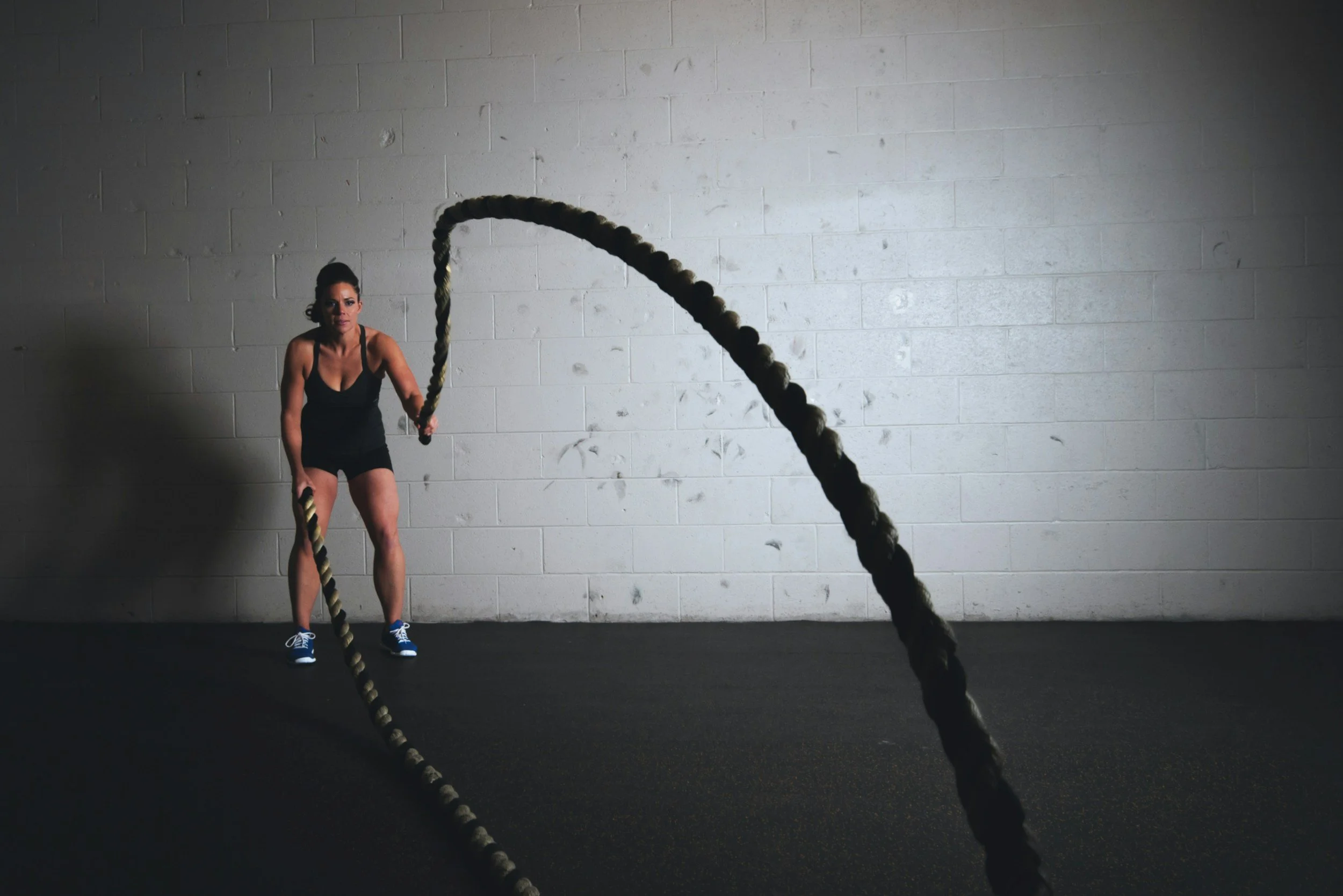
I see this constantly with busy athletes in Laguna Niguel and across Orange County; CrossFit athletes, runners, and HYROX competitors who want to train hard but feel like their bodies are always one step behind their ambition.
They’re doing all the “right” things:
High-intensity classes
Extra conditioning sessions
Long runs stacked on tired legs
Minimal rest because life is full
And yet… progress stalls, little aches become chronic, and training starts to feel heavy instead of empowering.
That’s not a grit issue. It’s a base issue.
Why "Base Before Bravado" Matters for Orange County Athletes
Living in Laguna Niguel means balancing beach runs, family obligations, and high-stress careers. You can't train like a full-time athlete, but you still want to crush CrossFit Open, qualify for HYROX regionals, or PR your half-marathon.
Base training solves this by building the minimum capacity your body needs to handle more without breaking down.
Research shows properly built aerobic base reduces overuse injury risk by 30-50% in endurance athletes. For hybrid athletes combining strength and conditioning (perfect for CrossFit and HYROX), this foundation prevents the "training-injury paradox" where more volume equals more breakdowns.
The Burnout Trap: When Bravado Replaces Capacity
In CrossFit, running, and HYROX-style training, intensity is easy to celebrate.
What’s harder to spot is when bravado quietly replaces capacity.
Common signs:
Every session feels hard, even on paper-easy days
You need constant caffeine or hype to train
Minor injuries linger or rotate locations
You’re fit… but not durable
You skip workouts because you’re exhausted, not lazy
This is especially common for busy professionals and parents who train around packed schedules.
Life stress + training stress = total stress.
And your body doesn’t care where the stress comes from.
5 Signs Your Base Is Too Small (Orange County Edition)
CrossFit fatigue: You crush early WODs but fade by workout 3 of the week
HYROX wall: Sled pushes destroy you by station 5
Runner's Achilles: Beach miles cause bilateral tendon pain
Sunday soreness: Still aching from Friday's workout
Mental drain: Training feels like another chore, not a recharge
Base Training for CrossFit Athletes: What It Should Look Like

For CrossFit athletes, building a base isn’t about doing less forever…it’s about doing enough of the right things so intensity actually works.
That includes:
Intentional aerobic work that supports recovery between efforts
Strength work that respects joint and tendon capacity
Accessory training that isn’t random but targeted
Deloads that are proactive, not forced by injury
A strong base means you can:
Hit high-output days and recover
Train consistently without always being sore
Adapt to volume increases without crashing
Intensity should sit on top of your base, not replace it.
Injury Prevention for Busy Runners Isn’t About Running Less

Many runners I work with in Orange County assume injury prevention means cutting mileage.
In reality, it usually means:
Improving load tolerance at the hips, calves, and feet
Building aerobic efficiency so every run costs less
Cleaning up movement patterns that only fall apart under fatigue
Respecting recovery in the context of work, family, and sleep
Running injuries rarely come from a single workout.
They come from weeks of training on a base that can’t support the load.
HYROX Athletes: The Sport That Exposes Your Weakest Link
HYROX-style training is brutal…in a good way.
But it also exposes base deficiencies fast:
Poor aerobic capacity = early fatigue
Weak tissue tolerance = overuse injuries
Inconsistent recovery = stalled performance
HYROX rewards athletes who can repeat efforts without falling apart.
That’s not bravado. That’s capacity.
What “Base” Actually Means (And Why Most Athletes Skip It)
When athletes hear base training, they often think:
Long, slow miles
Boring accessory work
Something beginners need, not serious athletes
But for busy adult athletes, base training is something much more important:
Your ability to tolerate training stress (physically, neurologically, and hormonally) without breaking down.
Your base includes:
Aerobic capacity
Tendon and connective tissue resilience
Movement quality under fatigue
Recovery capacity within real life stress
If that foundation is underbuilt, adding more intensity doesn’t make you fitter…it just makes you tired.
This is why athletes can train “hard” for years and still feel fragile.
The Minimum Effective Weekly Base (3-4 Hours Total)
Here's the framework I start with for busy Laguna Niguel athletes…proven minimums (key word=minimums) that build capacity without stealing your life:
Conditioning Base (150 min/week)
3 × 45-50 min Zone 2 sessions (easy pace you can talk through)
Morning beach runs along Salt Creek, Aliso Woods trails, or home bike
Builds aerobic engine CrossFitters and HYROX athletes need for metabolic conditioning
Strength Base (2 × 35 min sessions)
Full-body compound focus: Squat variation, hinge, push, pull
2-3 sets per movement, moderate loads you recover from
Protects joints during high-intensity CrossFit WODs and HYROX stations
Build a Training Base, Not Burn Out
If your training only works when life is calm, it’s not robust enough.
A real base allows you to:
Miss sleep occasionally without derailing progress
Handle spikes in training volume
Train hard and feel human outside the gym
This is the difference between short-term fitness and long-term athleticism.
How I Help Busy Athletes in Laguna Niguel & Orange County
I work with CrossFit athletes, runners, and HYROX competitors who want elite performance without constant injury interruptions.
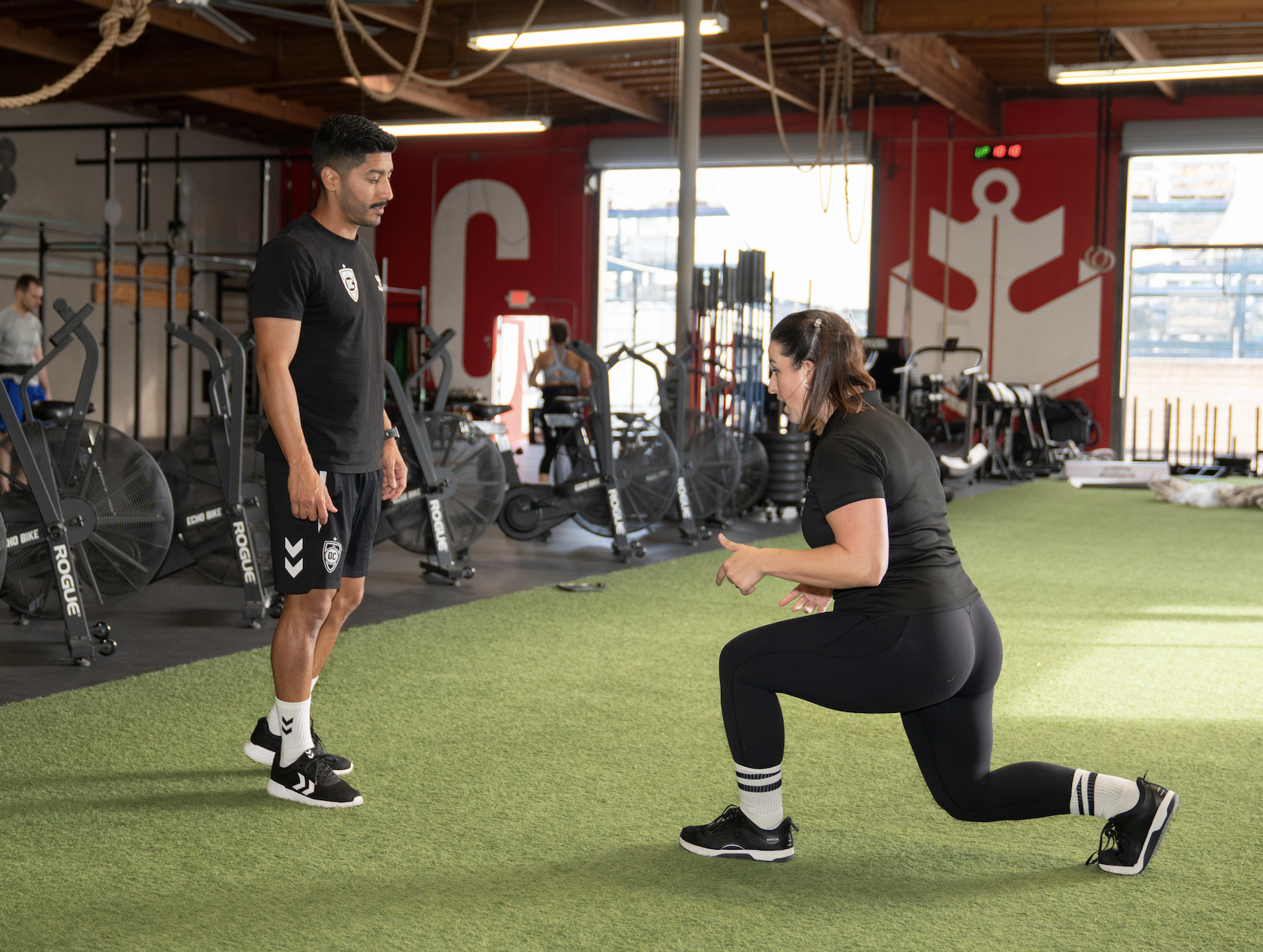
My approach goes beyond generic programming or quick fixes:
60-minute 1-on-1 sessions
Thorough assessment of movement, capacity, and recovery
Targeted rehab and performance work
Progressive plans that fit real schedules, not ideal ones
Together we:
Assess your current tissue capacity vs. training demands
Build your 3-4 hour/week base
Progress you safely toward CrossFit Open, HYROX events, or running PRs
Return you to training faster when life (or poor programming) creates flare-ups
Whether you’re returning from injury, stuck in a cycle of burnout, or just want your training to finally stick, the goal is the same:
Build a base that supports your life, not one that collapses under it.
Ready to Train With Capacity Instead of Constant Fatigue?
If this sounds familiar, it’s time to stop guessing.
📍 Based in Laguna Niguel, serving athletes across Orange County
Book a consultation to assess your base, identify limiting factors, and build a plan that actually lasts.
Your work ethic isn’t the problem. Let’s give it a foundation that can keep up.