Your shoulders, knees, and back remember every decision you make this month, and they will absolutely cash the check during heavy cycles and the Open.
If you’re ramping up toward the CrossFit Open or increasing outdoor mileage, your joints are logging every choice: how you warm up, how you recover, how you load. These decisions determine whether your joints stay strong or become the weak link when it matters most.
The truth is, most joint injuries don’t come from one unlucky lift. They’re cumulative. Hundreds of small, rushed, or imbalanced movements overdraft your body’s tolerance…until one moment when your shoulder tweaks or your knee clicks mid-lift. Here’s how to get ahead of it and build joint resilience that lasts through your entire training season.
Why Joint Health Is the Foundation of Performance
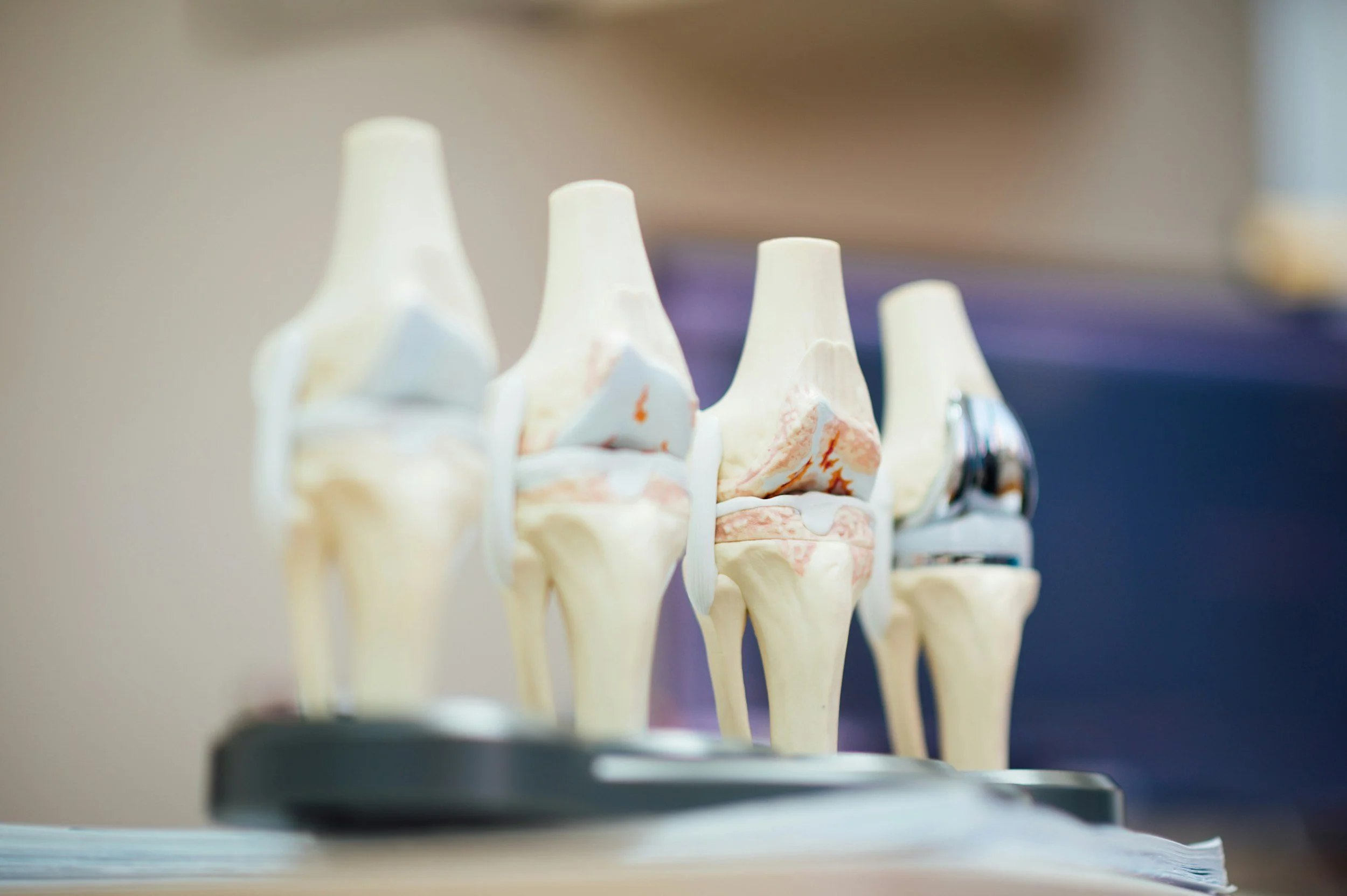
For both CrossFit athletes and active adults across Laguna Niguel and Orange County, joint health is what separates high performance from high risk. Strong, stable joints don’t just prevent pain, they keep you progressing through every block of training.
Healthy joints:
Create smoother force transfer through every squat, clean, and pull.
Boost efficiency by letting prime movers expend less energy.
Delay fatigue by preventing small stabilizers from burning out too early.
Protect longevity by minimizing stress on connective tissues.
When we emphasize joint health for CrossFit, what we really mean is creating the balance between mobility, control, and load tolerance across multiple planes of motion…and that applies whether you’re squatting, cycling, or carrying kids up stairs.
What “Mobility” Often Misses
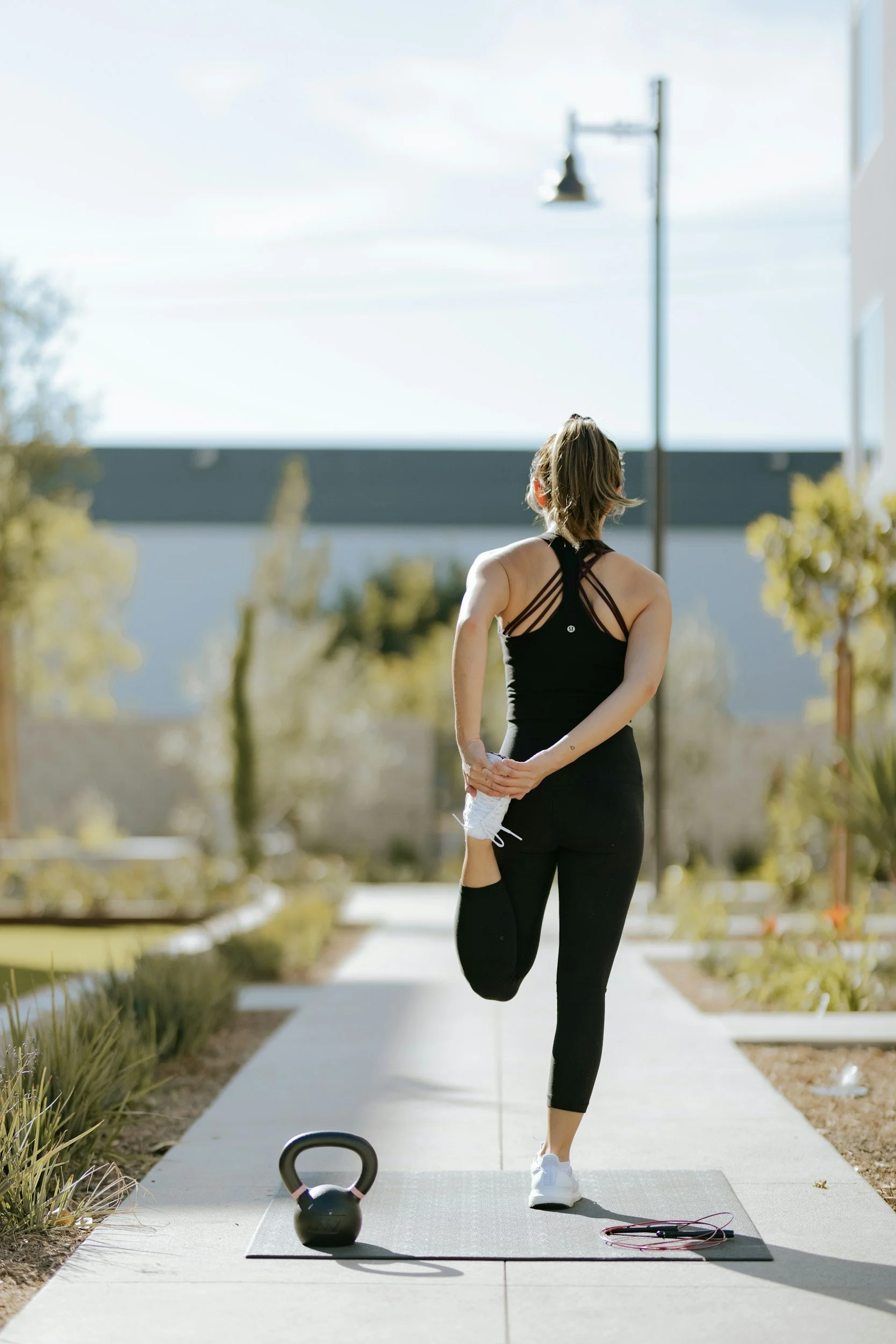
Mobility drills get attention because they feel good and look productive. But mobility is only one-third of the puzzle. If you improve joint range without reinforcing it with actual strength and neural control, you’re creating motion your body doesn’t yet trust. That’s where problems start.
Every major joint (shoulder, knee, hip) relies on dynamic stability (that combination of muscle coordination, tension, and timing) to keep the joint aligned under pressure.
Think about it:
The shoulder depends on the rotator cuff, scapular stabilizers, and thoracic extension to stay safe overhead.
The knee needs strong glutes, hamstrings, and ankle mobility to distribute landing and squatting forces properly.
The spine borrows integrity from deep core engagement and hip mobility, not just “neutral spine” awareness.
That’s one reason why athletes who only stretch often re-injure the same spots…they open motion in ranges they can’t yet stabilize. Without well-trained stabilizers, your prime movers overcompensate, tugging joints into positions they can’t sustain under load.
Recognize the Red Flags Before They Escalate
Joint pain doesn’t show up overnight…it whispers before it shouts. Here are common warning signs that shouldn’t be ignored:
Localized tightness or clicking that only appears under load (e.g., shoulder catching or pinching during dips or pull-ups).
Post-training stiffness that outlasts normal soreness, especially around knees or low back.
One-sided dominance where one leg or arm always feels stronger or more “trusted.”
Pain that migrates…it starts as a mild knee irritation but shows up in the hip or back later.
When you notice these clues, it’s your opportunity to intervene early. Catching small dysfunctions before they become chronic allows for quick, targeted correction…and keeps you from losing momentum during competition prep.
The Strategies That Actually Work
To truly prevent knee pain from running and lifting and improve shoulder injury prevention for the CrossFit Open, consistency and precision matter more than “magic” mobility tools. A few principles from clinical sports performance can help:
Strengthen your stabilizers deliberately.
Athletes often assume heavy compound lifts are enough, but accessory control work around the shoulders, hips, and knees fills crucial strength gaps. Try tempo single-leg work, banded external rotations, or controlled eccentrics for shoulder and hip stability.Balance your push-to-pull and hinge-to-squat ratios.
For every pressing or jumping motion, match it with pulling or posterior chain emphasis. A 1:1 or even 2:3 pull-to-push ratio builds resilience around your shoulder girdle and knees.Respect tendon time.
Tendons adapt slower than muscles. If your training intensity or volume spikes too quickly, you overload connective tissue before it strengthens…setting up classic tendonitis patterns. Gradual load progression and active recovery help tendons remodel safely.Master pre-fatigue warm-ups.
Effective warm-ups should pattern activation, not just stretch. Include controlled articular rotations (CARs), single-leg balance drills, and banded stability work targeting your weakest link before you hit big lifts.Recover like it’s your training.
Active recovery including soft-tissue therapy, eccentric loading protocols, and movement-specific PT not only maintains tissue quality but also enhances blood flow, joint lubrication, and nervous system readiness.Get assessed before pain dictates training.
A comprehensive joint screen uncovers asymmetries and inefficiencies…things you can’t always feel until they create problems. Two or three targeted physical therapy sessions often restore balance far faster than months of guesswork.
Build a Season That Lasts
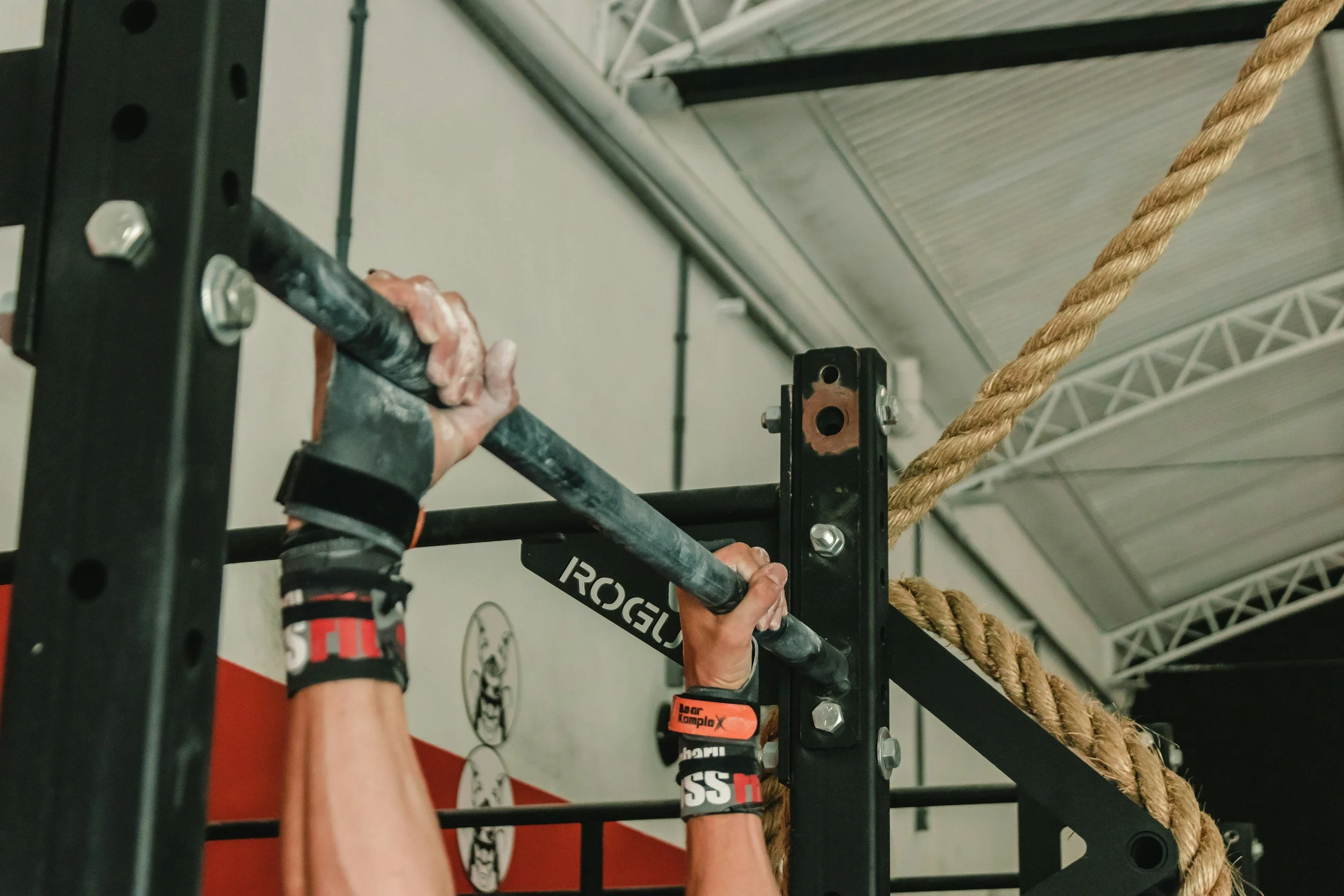
The Open and spring races don’t care how strong your PRs are if your joints can’t keep up. But a strong season isn’t about avoiding pain, it’s about training smarter so you never have to back off.
At Empowered Athletics Physical Therapy in Laguna Niguel, we help active adults, recreational CrossFitters, and competitive athletes stay in the game longer. Our performance-based rehabilitation and injury prevention programs combine hands-on therapy, customized strength training, and education, so you understand why your body moves the way it does and how to make it stronger.
Whether you’re managing lingering shoulder tension, nagging knee pain, or post-lift back tightness, we’ll build a plan that fits your training demands and gets you confidently back to full performance.
Book your 1:1 performance or injury prevention session today and take control of your joint health before the season ramps up.
Stop playing injury roulette…your joints (and your future self) will thank you.