The Recovery Trap: Why Rest Isn’t Always the Answer

When something starts to ache, tighten, or feel “off,” it’s natural to think: I should take a break. And sometimes that’s absolutely true—your body needs rest to repair tissue, decrease inflammation, and stabilize your nervous system.
But here’s the catch:
Too much rest, or the wrong kind of rest, can actually make you worse.
This is what I call The Recovery Trap…when stepping back too far results in more pain, more stiffness, more fatigue… and less resilience.
Today, we’re breaking down why rest isn’t always the answer, what to do instead, and how you can recover smarter by using active recovery and load management strategies that support both performance and long-term health.
Why Rest Alone Doesn’t Work
Pain or discomfort is often a sign that tissue capacity has been exceeded—not that you’re “broken.”
When you fully shut things down:
Muscles can lose strength in as little as one week
Tendons lose stiffness and capacity without regular loading
Cardiovascular fitness starts declining within 10–14 days
Joints stiffen with inactivity
So while rest may decrease symptoms in the short term, you can return feeling slower, weaker, and more fragile—making the same activity feel even harder. That’s the trap.
Load Management: The Secret to Staying in the Game
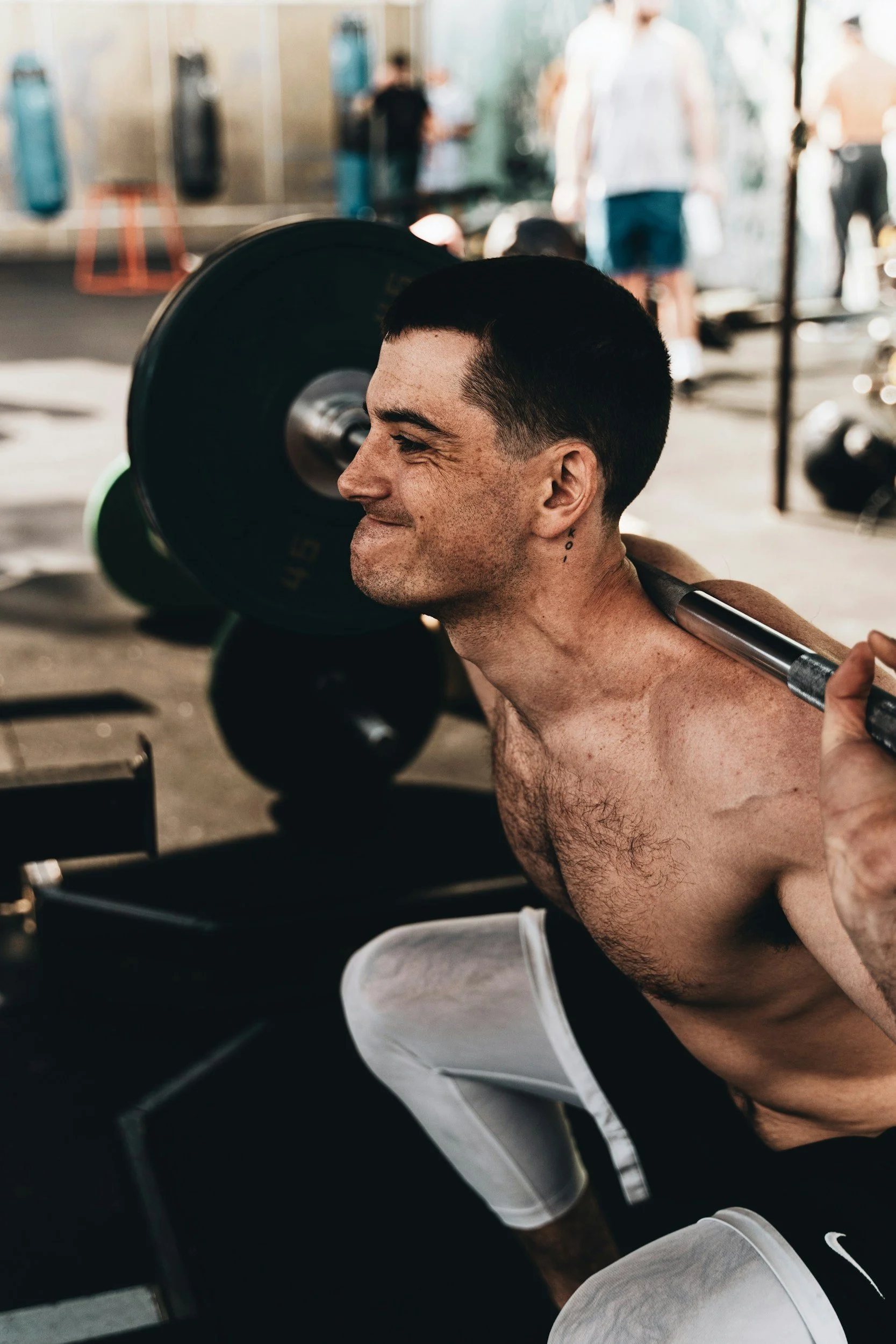
Instead of choosing between “push through it” and “stop completely,” load management gives you a third, and far better, option.
Load management means adjusting:
Intensity (how heavy or difficult an activity is)
Volume (how much you’re doing)
Frequency (how often you train)
Type of movement (keeping the pattern but reducing strain)
With smart adjustments, you stay active while symptoms settle. You maintain strength, skill, and confidence. You avoid the trap of detraining.
This approach is foundational in modern sports rehab and supported across the physical therapy and sports medicine literature.
Undertraining: The Silent Saboteur
Here’s something many athletes miss:
Undertraining can create the same symptoms as overtraining.
When you reduce activity too much or for too long:
Your tolerance for load decreases
Workouts feel harder
Joints get stiff
Muscles feel weak or “tight”
Heart rate spikes faster
Fatigue sets in early
So when you return to regular training, your body sends danger signals—not because you’re doing too much, but because you’ve done too little for a while.
This is why planned, progressive loading is essential.
How to Know When Rest IS the Right Call
Rest is appropriate when you have:
Acute injury with significant swelling or inability to bear weight
Sharp, severe pain that doesn’t change with movement
Signs of systemic illness
Red flag symptoms (numbness, night pain, major weakness, etc.)
But for most aches, flare-ups, and training tweaks, modified activity beats total rest nearly every time.
Your Next Best Step: Recover Smarter, Not Slower
If you’re stuck in the cycle of resting, returning, flaring up, and starting over… it’s not your fault. Most people were never taught how to load their bodies safely and strategically.
That’s where I come in.
Empowered Athletics Physical Therapy: Rehab That Actually Fits Your Life
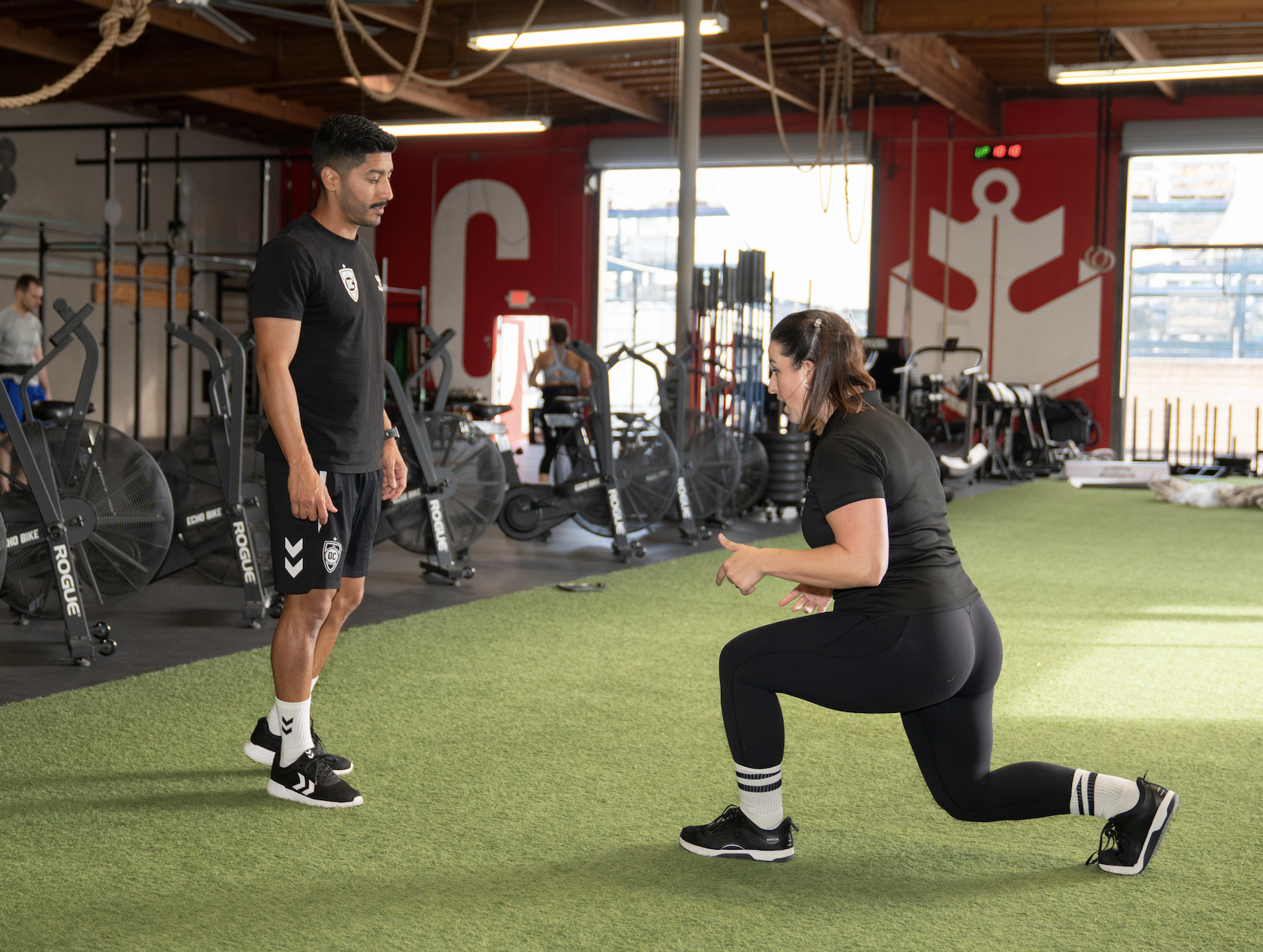
I help active adults, athletes, and parents return to training with:
Customized assessments
Strength-based rehab plans
Progressive loading strategies
Breathwork and nervous system support
One-on-one coaching designed to build confidence—not fear around movement
If you're tired of stopping and restarting… if you want a plan that keeps you moving while you heal… or if you're ready to get out of the recovery trap for good:
Let’s build strength, capacity, and resilience—together.