Harnessing the Power Of Your Breath: How Better Breathing Improves Rehab, Performance, Health, & Recovery

If you’ve trained with me or talked to me recently, you’ve probably noticed: I’m on a breathing kick.
You’ll catch me applying my mouth tape nightly before bed, nasal breathing through most of my workouts, and doing a 5-10 minute slow breathing technique (alternate nostril breathing or a box-breathing drill) most days.
My interest was completely reignited after reading Breath by James Nestor, and I haven’t shut up about it since…for good reason.
We take more than 20,000 breaths per day. That’s 20,000 opportunities to improve circulation, stabilize your core, boost athletic performance, lower stress, and recover better… or 20,000 chances to reinforce patterns that hold you back.
This blog will break down why breathwork matters, how it impacts your body, and simple breathwork exercises you can start using today—especially if you’re an adult athlete juggling training, work, and parenting.
What Is Breathwork and Why Does It Matter?
Breathwork refers to intentional breathing techniques that help you improve diaphragm function, oxygen delivery, CO₂ tolerance, and nervous system regulation. Research shows that improving these factors can enhance physical performance, reduce injury risk, improve metabolic health, and speed recovery.
Simply put: breathing is one of the most efficient tools for improving athletic performance and daily well-being.
1) Breathwork for Rehab: Diaphragm Training & Pain Relief
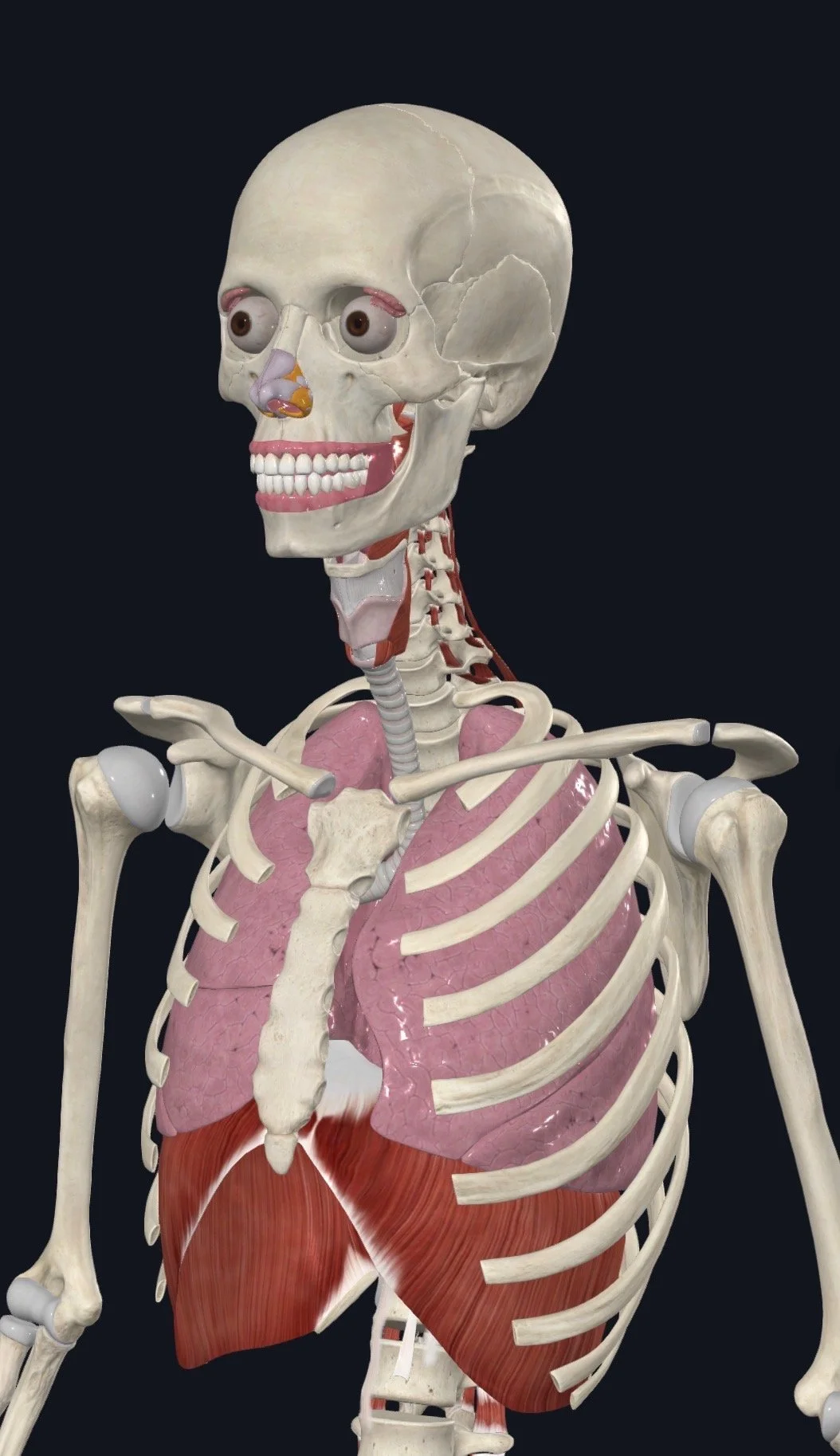
Most people think of the diaphragm as just the “breathing muscle,” but it’s also a powerful pump for your core, ribs, pelvic floor, and lymphatic system. When diaphragm excursion (the amount it moves in each direction) is limited—because of stress, posture, injury, pregnancy, or shallow breathing patterns—other systems have to pick up the slack.
Benefits of training your diaphragm for rehab include:
Reduced swelling and improved lymphatic drainage
Better core and trunk stability
Less back pain related to poor pressure management
Improved pelvic floor symptoms
Decreased shoulder blade tension and muscle knots
Dysfunctional breathing patterns are strongly associated with rib flare, poor posture, upper-chest breathing, and compensations that lead to pain. Restoring proper breathing mechanics is one of the most impactful ways to improve movement quality during rehab.
Try this diaphragm-training drill:
Place your hands around your rib cage. Inhale through your nose and let the ribs expand 360°—to the sides, front, and back. Exhale through your nose slowly. Repeat 6–8 breaths before your workout, or when sitting at your desk.
2) Breathwork for Athletic Performance: CO₂ Tolerance and Nasal Breathing
If you’re an athlete looking to run faster, lift more efficiently, or recover better between intervals, breathwork should be in your training program.
Research-supported performance benefits include:
Improved CO₂ tolerance, which enhances endurance
More efficient oxygen delivery to working muscles
Better core stability due to proper rib and diaphragm mechanics
Reduced perceived exertion during conditioning
Faster recovery during high-intensity intervals
Enhanced nitric oxide production from nasal breathing (better circulation!)
Nasal breathing during training forces you to slow the breath, improve gas exchange, and utilize full diaphragm excursion—all of which improve aerobic efficiency.
Try this workout technique:
During warm-ups and Zone 2 sessions, use nasal-only breathing. When you feel yourself wanting to switch to mouth breathing, slightly reduce intensity, let your body adapt, and watch your performance improve over time.
3) Breathwork for Health: Stress Reduction, Better Sleep, and Metabolic Benefits

Chronic stress and sympathetic nervous system dominance affect nearly every busy parent and working professional I see. Breathwork is one of the fastest ways to shift your nervous system from “fight or flight” into “rest and restore.”
Health benefits of intentional breathing include:
Lower blood pressure
Reduced cortisol levels
Improved blood sugar regulation
Better focus and emotional regulation
Fewer headaches and tension symptoms
Better sleep quality and fewer nighttime awakenings
And let’s talk about nasal breathing for sleep—research shows it can reduce snoring, decrease sleep apnea episodes, and improve oxygenation during the night. If you wake up tired or with a dry mouth, your breathing patterns may be part of the issue.
Try this before bed:
Use a 4-6 breathing pattern: inhale through your nose for 4 seconds, exhale for 6. Repeat for 2-5 minutes. This longer exhale activates the parasympathetic nervous system and prepares your body for restful sleep.
4) Breathwork for Recovery: Circulation, Down-Regulation & Tissue Repair
Recovery isn’t just passive—it’s physiological. Breathwork actively influences:
Circulation
Lymphatic drainage
Heart rate variability
Muscle oxygenation
Nervous system down-regulation
Slow nasal breathing post-workout helps your system shift out of high-stress states, clear metabolic waste, and speed tissue recovery. This is especially important for parents who rush from a workout straight into kid duty or a demanding workday.
Try this recovery technique:
After your training session, sit or lie down and breathe in for 5 seconds and out for 7–8 seconds. Just 60 seconds can significantly reduce heart rate and improve recovery markers.
Why Breathwork Is So Valuable for Busy Adult Athletes
Improving your breathing doesn’t require extra time, equipment, or a gym. You can do it anywhere—while driving, working, folding laundry, or mid-workout.
Breathwork is:
simple
effective
research-supported
accessible for every fitness level
a high-ROI tool for busy adults
It’s one of the quickest ways to improve how you feel and how you perform.
Ready to Improve Your Breathing and Your Training?
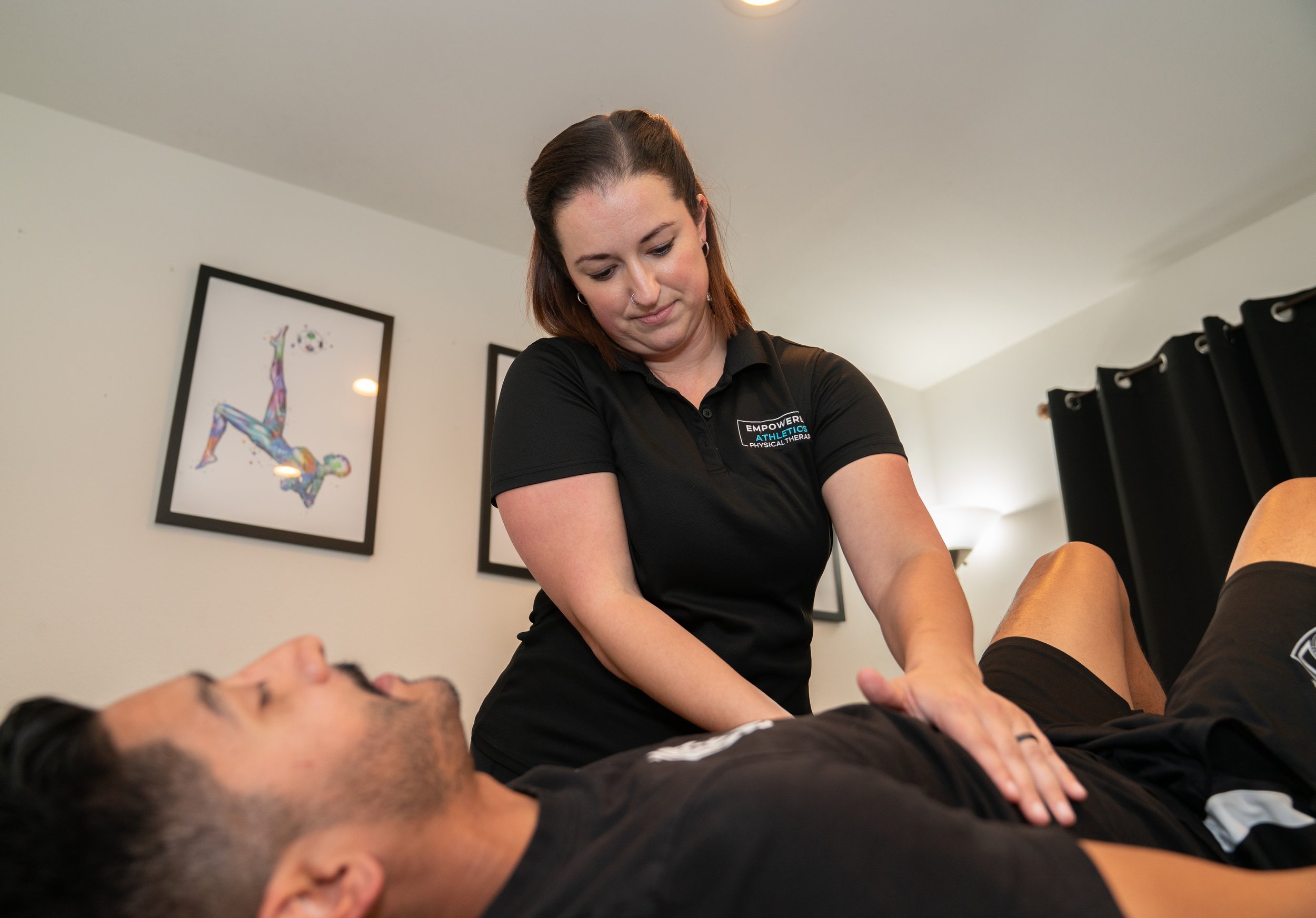
If you’re dealing with injuries, plateauing in your workouts, or just curious about how breathwork can help you feel and perform your best, I’d love to guide you through it.