The Myth Of Quick Fixes: Why Real Change Takes Time (And How To Stay The Course)
We live in a world obsessed with fast results.
“6-week shred.”
“3 sessions to pain-free.”
“Fix your back with this one stretch.”
It’s catchy, it’s marketable, and it’s…completely unrealistic.
When it comes to your body, whether you’re recovering from pain, rebuilding strength, or chasing a new performance goal, real change doesn’t come from a quick fix. It comes from understanding what’s really going on and doing the slow, steady work to change it.
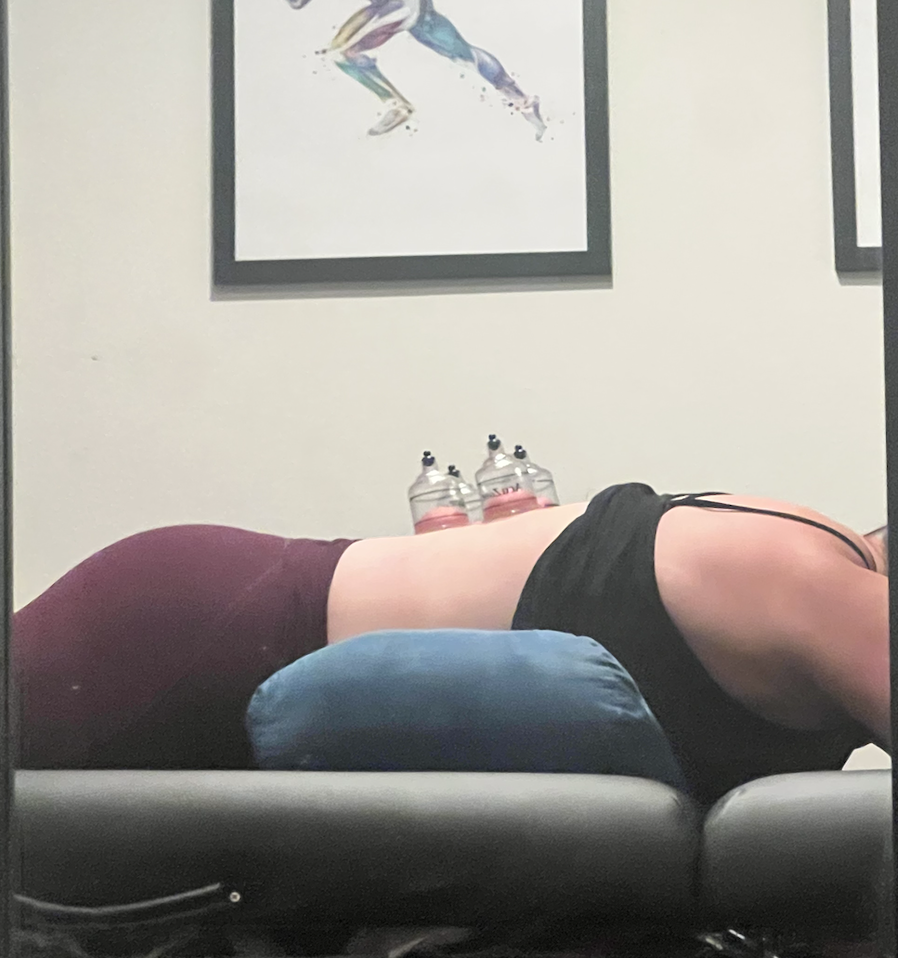
The Quick-Fix Trap
When you’ve been in pain or stuck for a while, it’s natural to want relief now. We’re wired to avoid discomfort. And because so much of the fitness and rehab world preys on that desperation, it’s easy to fall for the promise of “immediate results.”
But here’s the truth: quick fixes don’t fix anything. They just quiet the noise for a little while.
It’s like silencing your car’s check-engine light instead of opening the hood. The problem doesn’t go away, it just keeps brewing underneath.
That “miracle stretch” or “magic tool” might feel good for a moment, but if we don’t understand why your body is sending that signal in the first place, we’re not solving the problem—we are putting a Band-Aid over a leak.
Becoming The Detective
Real progress starts when we slow down long enough to listen.
To get curious instead of frustrated.
To ask better questions:
Why is this area tight or painful?
What’s not doing its job, forcing something else to overwork?
What patterns or habits might be keeping this cycle alive?
This is the detective work that real rehab and performance training require. Sometimes that means we have to peel back several layers before we hit the root cause—layers of compensation, guarding, or old movement strategies that once kept you safe but now hold you back.
It’s not always linear, and it’s not always comfortable. But when you take the time to understand the problem, you gain power over it.
Because you can’t change what you don’t understand.
The Layer-By-Layer Process
Your body is smart. When something hurts, weakens, or feels unstable, it creates backup plans. You start to move differently—maybe without even realizing it—and those patterns get reinforced over time.
Unraveling those compensations is like peeling an onion. You address one layer, and another one reveals itself. It’s not that the work isn’t “working”—it’s that we’re finally seeing the next piece that’s been hiding underneath.
That’s why progress can sometimes feel slow. But slow doesn’t mean stagnant—it means precise. It means your body is finally learning a better way to move, stabilize, and adapt.
The Role of Habit Change
Here’s the part most people overlook: the way you move and live every day influences your progress just as much as your workouts or rehab sessions.
If you spend an hour doing corrective work but the other 23 hours reinforcing the same unhelpful habits—sitting slumped for long hours, walking in the same compensatory pattern, ignoring recovery—it’s like taking one step forward and one step back.
That’s why real change involves habit change.
How you sit, stand, breathe, lift, recover…
How you handle stress and rest…
How consistent you are with the little things…
Your daily habits either reinforce the new patterns we are trying to build—or fight against them.
Eliminating Interference
Here’s another truth: sometimes we have to remove the things that are getting in the way before the good stuff can stick.
That might mean temporarily backing off certain activities that keep aggravating your system, even if they’re things you enjoy. It might mean dialing down intensity so your body can adapt without being constantly inflamed or overloaded.
It’s not forever—it’s strategic.
When you stop pouring energy into the things that create interference, your body finally has space to heal, adapt, and build strength in the right direction.
Think of it like gardening: You can’t grow new roots in hard, compacted soil. Sometimes you have to clear out the weeds first.
Redefining What Progress Looks Like
Progress doesn’t always show up as “pain-free.” Sometimes it’s smaller, subtler, and harder to notice in the moment. It might look like:
Being able to do more before the pain shows up.
Feeling sore from effort instead of irritation.
Recovering faster than you used to.
Moving with more confidence, less hesitation.
Trusting your body again.
Those are huge wins. And they are signs that the foundation is changing (for the better).
The Long Game Always Wins
Real change takes time. It takes curiosity, consistency, and a willingness to stay the course when the quick fix would be easier.
But when you earn your progress, it lasts. When you understand your body instead of fighting against it, you build trust. And that trust becomes the foundation for every goal that comes next—whether that’s running again, lifting heavier, or simply living without fear of pain.
So if you’ve been chasing quick fixes, this is your reminder:
You don’t need another hack. You need a framework. A plan that’s individualized, progressive, and rooted in understanding your body.
That’s what I help my clients build—and it’s what makes the difference between temporary relief and lasting change.