January is loud.
New programs, max-effort workouts, aggressive challenges, and highlight reels designed to make training look intense. Sweat everywhere. Music blasting. Timers counting down. Soreness worn like a badge of honor.
And yet, every January, I see the same thing happen.
Athletes and active adults come in not because they weren’t motivated enough, but because their training was impressive…not intelligent.
If it looks impressive but isn’t sustainable, it isn’t smart training.

“Train Smarter, Not Louder”
Loud training gets attention.
Smart training gets results.
Loud training prioritizes:
Intensity over readiness
Exhaustion over adaptation
Short-term effort over long-term consistency
Smart training prioritizes:
Capacity
Tissue tolerance
Recovery
Decision-making that compounds over time
January isn’t about doing more.
It’s about doing what actually works.
What “Loud” Training Looks Like
Loud training often checks these boxes:
High intensity every session
Max effort before technical competence
Constant program hopping
No clear progression or deload strategy
Training that ignores pain, sleep, or stress levels
It feels productive. It looks impressive.
But it quietly accumulates fatigue, overloads tissues, and increases injury risk.
Why Soreness and Exhaustion Are Poor Metrics
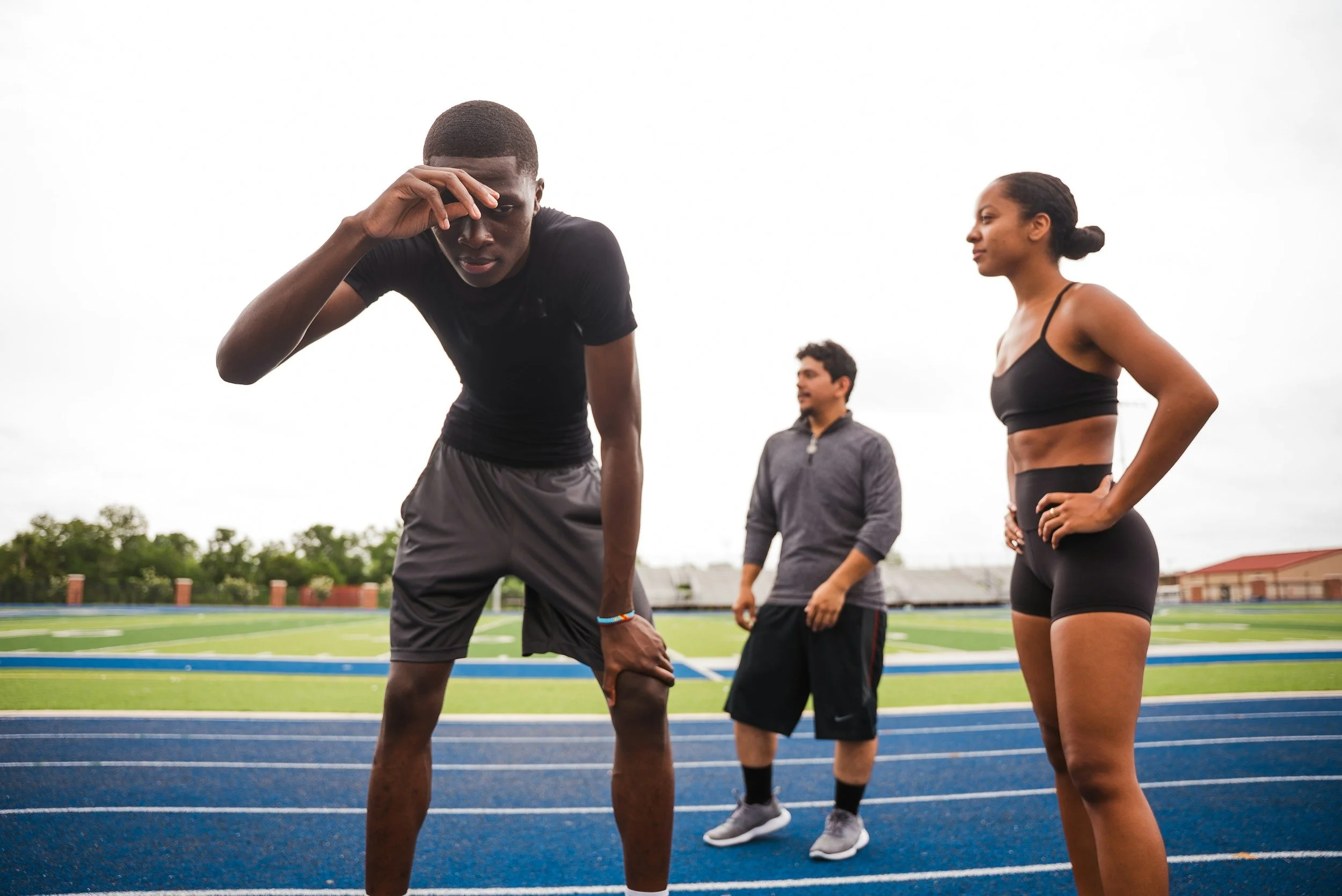
Being sore doesn’t mean you trained well.
Being exhausted doesn’t mean you adapted.
Soreness often reflects:
Novel stimulus
Excessive volume
Poor recovery
Exhaustion often reflects:
Nervous system fatigue
Inadequate fueling
Load beyond current capacity
Neither tells you whether your body is actually getting stronger.
Smart training asks:
Am I recovering between sessions?
Is my performance stable or improving?
Can I repeat this next week without breaking down?
Social Media vs. Physiology
Social media rewards what looks extreme.
Your nervous system and connective tissue do not.
Instagram doesn’t show:
The skipped warm-ups
The pain being ignored
The accumulated fatigue
The rehab required later
Physiology works on predictable principles:
Load + recovery = adaptation
Too much load + not enough recovery = breakdown
Your body doesn’t care what’s trending.
A Note on AI-Generated Fitness Programs
AI-generated training programs are everywhere, and they can be helpful tools.
But they have serious limitations.
Most AI programs:
Don’t know your injury history
Don’t account for sleep, stress, or life load
Can’t assess movement quality
Can’t feel early warning signs
They’re pattern-based, not context-aware.
Following a generic plan without feedback or modification is one of the fastest ways to train loud instead of smart.
Red Flags Athletes Often Ignore
🚩These are NOT signs of “being tough”:
Pain that lingers beyond warm-up
Performance declining week to week
Increasing stiffness without recovery
Needing more caffeine just to train
Feeling anxious about workouts instead of confident
These are course-correction signals, not obstacles to push through.
How to Course-Correct Early
Smart training doesn’t wait for injury.
Early course correction looks like:
Adjusting volume before pain escalates
Improving movement quality before adding load
Strengthening weak links instead of avoiding them
Scheduling recovery intentionally, not reactively
This is where most people go wrong, not because they don’t care, but because they don’t know what to adjust.
How Rehab and Thrive Services Support Smart Training
Rehab isn’t just for when you’re hurt.
It’s for when you want to keep training well.
Through Rehab and Thrive sessions, I help active adults:
Identify early red flags
Improve movement efficiency
Build strength where it matters most
Train confidently without constantly starting over
Whether you need:
A single session to assess what’s holding you back
Short-term support to clean up pain or movement issues
Ongoing guidance to train smarter over time
There’s a place to start.
👉 Book a rehab or Thrive session to make sure your January training is building momentum—not setting you up for setbacks.