You can have the perfect training plan.
The best shoes.
The best supplements.
The perfect macros.
The expensive recovery tools.
But if your nervous system never truly downshifts into recovery mode?
Your body will struggle to adapt.
That’s one of the biggest missing pieces I see in runners, CrossFit athletes, HYROX competitors, and busy active adults across Orange County: they’re training hard…but living in a constant state of stress activation.
And eventually their body starts paying the price.
At Empowered Athletics Physical Therapy, we talk a lot about recovery as a skill…not just a rest day.
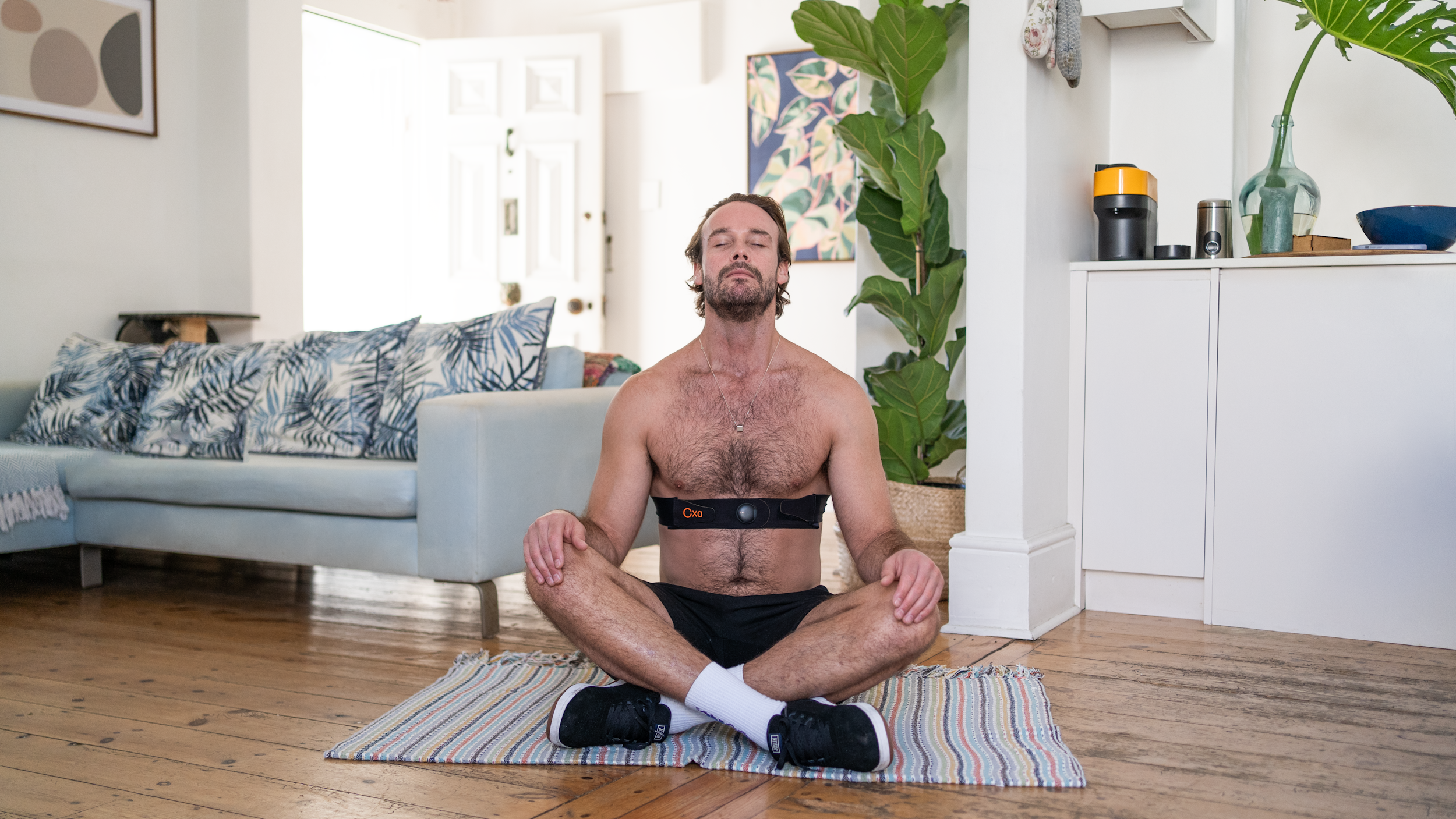
Because real recovery isn’t passive.
It’s your body’s ability to:
shift out of stress mode
restore energy
repair tissue
regulate inflammation
tolerate load
and actually adapt to training
That process is heavily controlled by your nervous system.
Your Nervous System Is Either Building You Up…Or Burning You Down
Your autonomic nervous system has two major branches:
Sympathetic: fight-or-flight, stress response, high alert
Parasympathetic: rest, recovery, digestion, restoration
You need both.
The sympathetic system helps you:
train hard
react quickly
perform
push intensity
But the parasympathetic system is where:
recovery happens
tissue healing occurs
digestion improves
hormones regulate
sleep quality improves
adaptation happens
The problem? A lot of busy athletes are stuck in chronic sympathetic dominance.
Meaning:
always “on”
mentally wired
physically exhausted
constantly pushing
unable to fully recover
And your body cannot perform optimally if it never feels safe enough to recover.
Why Sympathetic Dominance Kills Performance Gains
Many athletes assume more effort = more progress.
But your body only improves when it can recover from the stress you place on it.
If stress stays elevated for too long, you may notice:
plateaued performance
persistent soreness
disrupted sleep
elevated resting heart rate
increased injury frequency
digestive issues
irritability
fatigue that doesn’t improve with rest
feeling “tired but wired”
This is especially common in:
runners increasing mileage too aggressively
CrossFit athletes constantly chasing intensity
HYROX athletes stacking endurance and strength stress
busy parents trying to train through exhaustion
The issue often isn’t a lack of discipline.
It’s a lack of nervous system recovery.
The Recovery Triad: Sleep, Nutrition, and Stress Management
If you want better recovery, durability, and performance, these three areas matter more than most athletes realize.
1. Sleep: Your Greatest Recovery Tool
Sleep is when:
muscle repair increases
nervous system recovery improves
hormones regulate
inflammation decreases
memory and motor learning consolidate
Yet many athletes treat sleep like an optional bonus.
For busy adults, improving recovery often starts with improving sleep consistency…not adding more training.
Simple Sleep Hygiene Strategies
Keep a relatively consistent sleep/wake schedule
Reduce intense screen exposure before bed
Eat enough throughout the day
Limit late-night high intensity training when possible
Create a “wind down” transition instead of working until the second you try to sleep
For many athletes, the hardest part is not knowing how much they need sleep.
It’s actually allowing themselves to slow down enough to get it.
2. Nutrition: Fueling Recovery, Not Just Workouts
Under-fueling is one of the biggest hidden stressors in active adults.
Especially in athletes who:
train early
skip meals
rely heavily on caffeine
under-eat carbohydrates
or unintentionally stay in a chronic energy deficit
Your nervous system interprets inadequate fuel as stress.
Which means poor fueling can contribute to:
fatigue
poor sleep
hormone disruption
poor recovery
decreased performance
higher injury risk
Recovery nutrition doesn’t need to be perfect.
But your body needs enough:
total calories
protein
carbohydrates
hydration
electrolytes
To actually support the demands you’re placing on it.
3. Stress Management: The Missing Recovery Skill
This is the piece many athletes resist the most…Because “stress management” sounds soft.
Until your body forces you to pay attention to it.
Your nervous system doesn’t care whether stress comes from:
work
parenting
poor sleep
emotional overload
finances
illness
…or training
It all adds to the same physiological bucket.
Which means recovery often improves not by doing more…but by helping your system down regulate more effectively.
Parasympathetic Recovery Basics for Athletes
Parasympathetic activation simply means helping your body shift into a calmer, more restorative state.
This does NOT require:
week-long meditation retreats
hour-long recovery routines
eliminating stress completely
For busy athletes, simple nervous system support strategies are often enough to create meaningful change.
Practical Stress Dumps for Busy Athletes
Walks
Easy walks are one of the most underrated recovery tools available.
Especially:
post-meal walks
evening walks
low-stimulation outdoor movement
They help promote circulation, recovery, and nervous system regulation without adding major stress load.
Breathwork
Slow, controlled breathing can help shift your body toward parasympathetic activation.
Simple place to start:
inhale through nose for 4 seconds
exhale slowly for 6-8 seconds
repeat for 2-5 minutes
Longer exhales help signal safety to the nervous system.
Reducing Constant Stimulation
Sometimes recovery means reducing inputs:
endless scrolling
multitasking
constant notifications
high stimulation late at night
Your nervous system needs moments where it’s not constantly bracing for the next thing.
Signs You’re Struggling to Downregulate
Many active adults don’t realize their nervous system is overloaded because they’re still functioning.
Until eventually they aren’t.
Common signs:
waking up exhausted
difficulty falling asleep despite fatigue
feeling “on edge”
chronic muscle tension
recurring injuries
exercise intolerance
digestive symptoms
brain fog
elevated resting heart rate
feeling tired but unable to relax
These are not signs of weakness.
They’re signs your system may need more recovery support.
Recovery for Runners, CrossFit, and HYROX Athletes Looks Different in Real Life
For most busy adults, recovery cannot look like a professional athlete’s lifestyle.
And that’s okay…the goal is not perfection. The goal is creating enough recovery capacity to support your life and training sustainably.
That often means:
adjusting training load intelligently
finding the minimum effective dose
supporting sleep consistently
fueling adequately
building small downregulation habits into your day
Not trying to biohack your way out of chronic overload.
How Physical Therapy Can Help Nervous System Recovery
At Empowered Athletics Physical Therapy, recovery is approached from both a movement and nervous system perspective.
Because many athletes don’t just need:
stretching
mobility
or another hard workout
They need help:
calming an overloaded system
improving recovery capacity
reducing chronic tension
restoring movement variability
and building a body that feels adaptable again
That’s especially true for active adults balancing:
work
parenting
stress
chronic fatigue
pain
and high training demands
Ready To Reset Your Nervous System?
If your body constantly feels tense, exhausted, achy, or stuck in survival mode, your nervous system may need support just as much as your muscles do.
A Thrive session combines hands-on recovery work with a deeper understanding of how stress, movement, and recovery interact.
These sessions may help:
reduce tension
improve recovery
support downregulation
restore movement quality
and help your body feel less “stuck” in stress mode
Work With Dr. Kait
Serving runners, CrossFit athletes, HYROX competitors, and active adults throughout South Orange County, including Laguna Niguel, Mission Viejo, Ladera Ranch, and San Juan Capistrano.