Durable > Unsustainable Fitness: How Adult Athletes Stop Breaking Down Every Season
If every training cycle ends the same way, with a tweak, a flare-up, or a forced deload…It’s not bad luck.
Your system isn’t sustainable.
Most adult athletes aren’t undertrained.
They’re stuck in a cycle of push hard → break down → rebuild → repeat.
Durable fitness is how you break that cycle for good.
This is you if:
You’re always “almost back” but never fully confident
You modify workouts more than you follow them
You finish hard weeks already feeling beat up
You’ve had the same issue come back more than once
Durable fitness beats unsustainable fitness every time for adult athletes who want to train consistently year-round, not crash through one season and limp through the next. Swapping "all-or-nothing" intensity spikes for smart capacity-building lets you lift heavy, run hard, and compete without your body dictating when you're done.
Unsustainable Fitness: The Crash-and-Burn Cycle
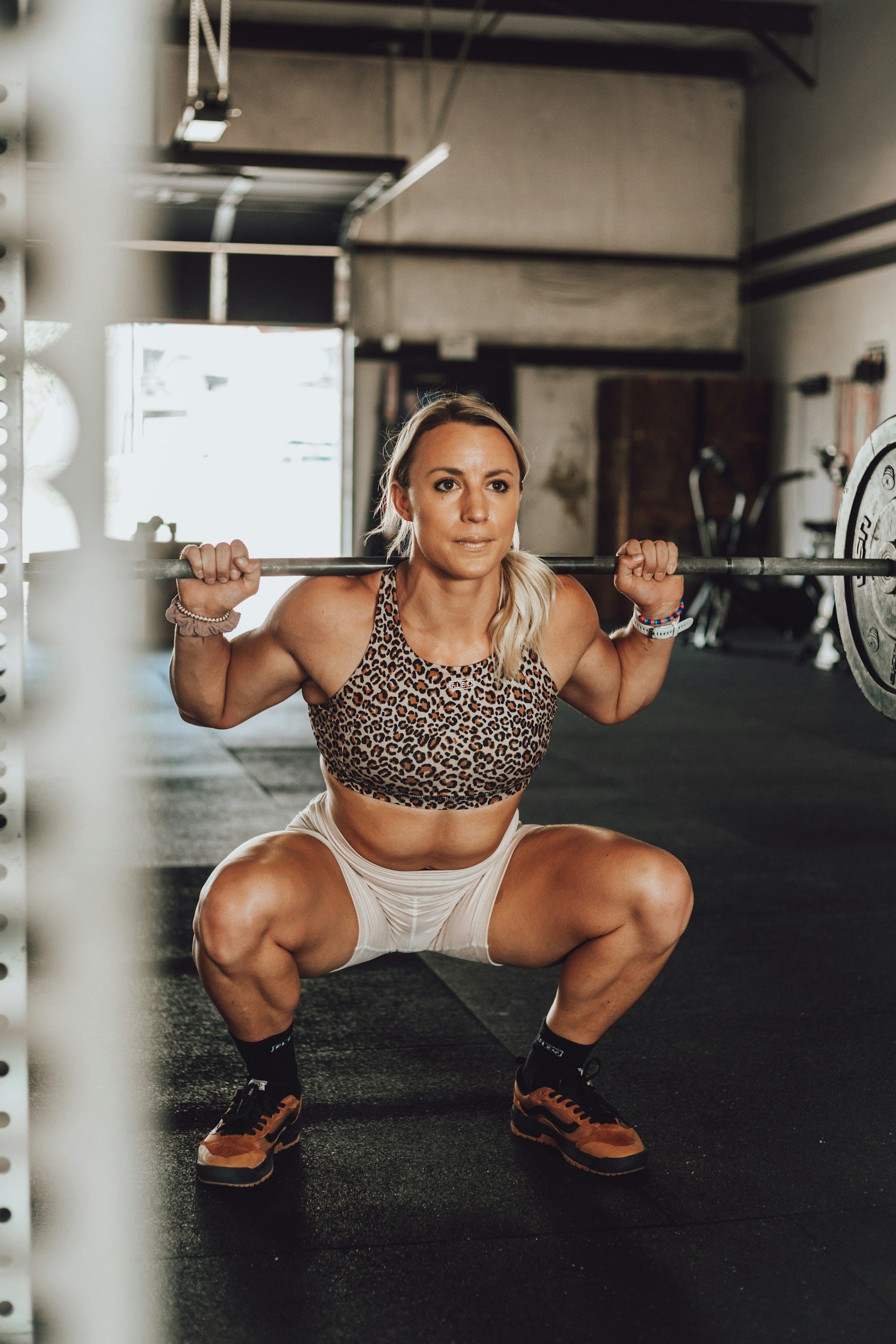
Unsustainable fitness is the quick-fix mindset most adult athletes inherit from younger training days: 12-week crash programs, seasonal max efforts, zero rest weeks, and ignoring early aches until they become injuries. You grind through CrossFit Open prep or HYROX blocks, rack up PRs, then spend summer modifying workouts or sitting out.
For busy adults balancing work and family, this fails because:
Sudden volume jumps overload tendons/joints not prepped for impact.
No recovery infrastructure means life stress + training stress leads to breakdown.
"Tough it out" culture delays smart intervention, turning niggles into 3-month-plus rehabs.
The result? Fitness that only works when life is perfect…and falls apart when it’s not.
Durable Fitness: Built to Last
Durable fitness prioritizes capacity first, intensity second. It's training that survives desk jobs, kid schedules, and 35+ year old recovery realities through:
Capacity base: Tissues that tolerate your sport's loads (RX thrusters, sled pushes, 400m repeats).
Recovery systems: Sleep, fueling, Thrive-level bodywork that keeps you responsive.
Smart support: Rehab to fix gaps, Perform to individualize programming, and criterion-(not timeline)-based progressions.
Durable fitness isn’t about doing less. It’s about building a body that can handle more, consistently. You’re not just training for your next event. You’re training to still be an athlete 10 years from now.
The Rehab–Perform–Thrive Map to Durable
At Empowered Athletics Physical Therapy, these aren’t separate services, they’re a progression.
Each phase builds on the last so you can stop restarting every season and start sustaining your training.
Rehab: Rebuild from Breakdown
Who: Pain or injury is limiting how you train (your shoulder limits pressing, knees limit squatting, back limits hinging)
What: Calm symptoms → rebuild capacity → reintroduce sport-specific loading
60-minute 1:1 sessions (in-person in Laguna Niguel or virtual)
Durable outcome: You pass clear strength and tolerance benchmarks and return to full training without fear
Example: An athlete with a calf strain restores hop symmetry and plyometric tolerance before returning to 400m repeats
Perform: Train Hard Without Breaking Down
Who: You’re training consistently but plateauing, constantly sore, or accumulating fatigue
What: Optimize your programming and movement: strength & conditioning, tendon resilience, trunk stability, technique, and volume management
Durable outcome: You train 3-5x/week with consistency…without needing constant deloads, tweaks, or flare-up management
Example: A HYROX athlete builds sled capacity and refines run mechanics to hit race-level efforts without breakdown
Thrive: Stay Ready in High-Demand Seasons
Who: You’re healthy but in a demanding phase (Open prep, competition season, PR pushes)
What: Bodywork (30-60 min sessions: scraping, cupping, mobility work) + individualized recovery strategies
Durable outcome: You stay fresh, recover between hard weeks, and maintain performance through the entire season
Example: A CrossFit athlete maintains mobility and recovery through 3x/week hero WODs and a busy travel schedule
Where should you start?
Pain limiting your training? → Start with Rehab
Training consistently but breaking down? → Start with Perform
Healthy but in a high-demand phase? → Start with Thrive
Not sure? That’s exactly what discovery calls and consultations are for.
| Fitness Type | Training Style | Support System | Long-Term Result |
|---|---|---|---|
| Unsustainable | Seasonal crashes, all-in intensity | Push through pain, generic recovery | PRs → injuries → modifications |
| Durable | Year-round capacity + smart peaks | Rehab/Perform/Thrive progression | Consistent training, sustainable PRs |
5 Actionable Shifts to Durable Fitness
If you want to shift from breaking down to building durability, start here:
1. Capacity-Test Every 8-12 Weeks
Don't wait for pain. Run these (or something that makes sense for your sport):
Shoulder: unbroken thrusters @ 70% 1RM.
Knee: Pistols or air squats continuous.
Back: Deadlifts @ 80% + 2-min plank.
Pain? That's your Rehab cue.
2. Stack Recovery Before Stress
Pre-plan Thrive-level habits:
Protein timing: 30-40g within 30 minutes post-workout.
Weekly deload: 20% volume drop every 4th week.
Sleep floor: 1 non-negotiable 8-hour night weekly.
3. Program for Your Real Week
Sports PT for hybrid athletes audits:
Total stress (work hours + training volume + family load).
Avoid back-to-back max efforts.
Scale 20% of workouts for recovery.
4. Treat Niggles as Capacity Gaps
Yellow flags (1-3/10 ache or pain post-workout):
Drop volume 20%, add 2x/week targeted strength.
Thrive session for tissue work.
Red flags (sharp, worsening)? Immediate Rehab pivot.
5. Plan Seasons, Not Sprints
Base (12-16 weeks): Capacity emphasis, low intensity.
Build (8 weeks): Volume ramps, Perform for integration.
Peak (4 weeks): Intensity focus, Thrive for recovery.
Reset (2-3 weeks): 50% volume, full strength maintenance.
You don’t need to overhaul everything.
You need to stop ignoring the signals your body is already giving you.
Why Adult Athletes Need Specialized Support
Most traditional PT stops at pain relief.
It doesn’t prepare you to return to real training.
Recovery and performance coaching Orange County understands:
You're not 22 years old with college recovery.
CrossFit/HYROX demands load tolerance plus metabolic conditioning.
Work/family stress compounds training stress 2-3x vs. full-time athletes.
What makes this different:
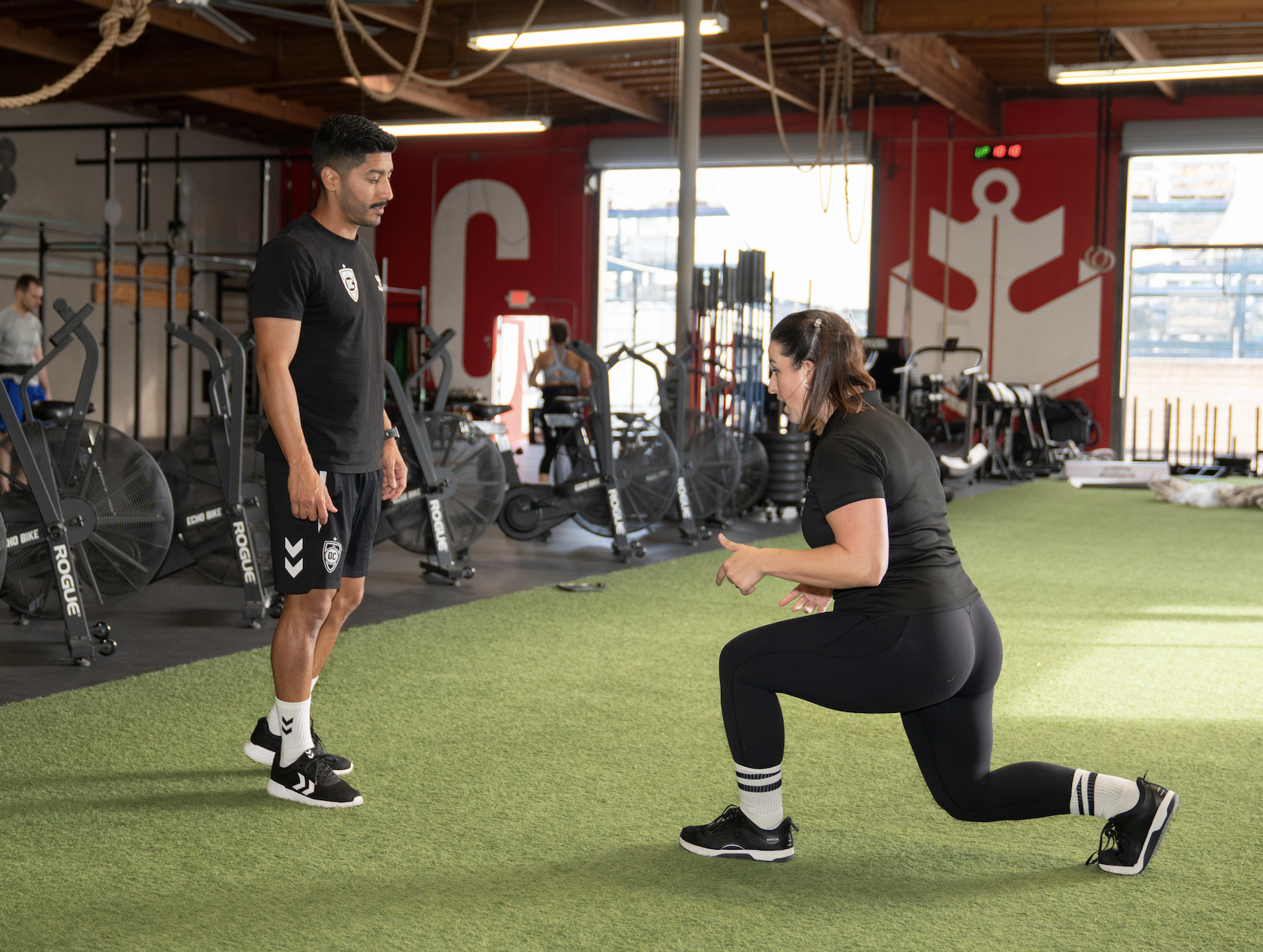
You’re assessed in a gym, not just on a table
You work 1:1 with the same provider every visit
Your plan evolves with your training, not outside of it
You always know your next step (no “see how it feels”)
Ready to Stop Restarting Every Season?
If you’re tired of:
Modifying workouts more than completing them
Second-guessing your body
Rebuilding the same injury over and over
It’s time to fix the system, not just the symptoms.
Start here:
Pain limiting training? → Book Rehab.
Breaking down despite consistency? → Book Perform.
Healthy but want to stay that way? → Book Thrive.
Or start with a free 15–30 minute consultation and we’ll map out exactly where you fit.
Durable Is Your New Normal
Unsustainable fitness wins short term. Durable fitness wins seasons, years, and longevity.
You’re not fragile.
You’ve just been training without the right system.
Build one that lasts.